


Introduction
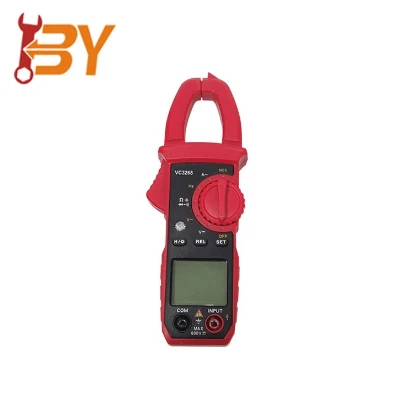
A digital clamp meter is a specialized electrical testing instrument designed to measure current without breaking the circuit. It combines the features of a basic digital multimeter with a built-in current sensor that detects electrical current using a hinged jaw. This makes it safer and more convenient for measuring current in live electrical systems without stopping power flow or physically disconnecting wires.
What Is a Digital Clamp Meter?
A digital clamp meter-also known as a clamp-on ammeter-is an electrical test tool that integrates a basic digital multimeter with a current sensor built into a clamping mechanism. The unique clamp design lets you enclose a single conductor, enabling the meter to detect current without direct contact or circuit interruption. The tool is commonly used by electricians, technicians, and hobbyists for maintenance, troubleshooting, and verification of electrical systems.
The jaws of the clamp meter can be opened and placed around a wire or conductor. As current flows through that conductor, it generates a magnetic field. The meter's internal sensors then detect this magnetic field and convert it to a readable current value displayed digitally on the screen. This allows for safe and efficient current measurements in both simple and complex electrical systems.
Core Working Principle
The operation of most digital clamp meters is based on magnetic field detection:
When current flows through a conductor, it generates a magnetic field around it.
The clamp meter's jaws include a sensor-typically a current transformer or Hall effect sensor-that detects this magnetic field.
This detected field is converted into an electrical signal proportional to the current in the conductor.
The meter processes the signal and displays it as a digital current reading.
For AC current measurement, the tool often uses a current transformer design that induces a secondary signal based on electromagnetic induction. For DC current, many meters use Hall effect sensors to detect the magnetic flux generated by the steady current. This non-contact sensing enables current measurement without interrupting the circuit or physically disrupting wiring.
Key Capabilities of Digital Clamp Meters
Digital clamp meters often offer multiple measurement functions beyond current:
Current Measurement: The primary use-measuring AC current and, in many models, DC current.
Voltage Measurement: By using the meter's probes, it can measure AC and DC voltage.
Resistance and Continuity: Useful for circuit integrity checks.
Additional Functions: Some models can measure frequency, capacitance, temperature, and diode characteristics.
Because of these combined functions, a clamp meter serves as a multifunctional diagnostic tool that can replace separate instruments in many scenarios.
Benefits of Using a Digital Clamp Meter
Digital clamp meters provide several advantages:
Non-invasive current measurement: They allow current measurement without disconnecting or interrupting a circuit, improving safety and efficiency.
Increased safety: By avoiding direct electrical contact, the risk of electric shock or short circuits is reduced.
Convenient for live systems: You can measure current in live circuits without powering down, which is valuable during troubleshooting and maintenance.
Versatility: Many models combine current measurement with other multimeter functions, reducing the need for multiple tools.
Because of these benefits, clamp meters are widely used in residential, commercial, and industrial environments.
Common Applications
Digital clamp meters are useful in a range of practical tasks:
Electrical inspection: Quickly check current flow in wiring and distribution panels without disconnecting conductors.
Equipment maintenance: Monitor current draws in motors, HVAC systems, pumps, and other machinery.
Troubleshooting: Identify overloaded circuits or unexpected current behavior.
Installation verification: Ensure systems are operating within specified current ranges after installation or repair.
These varied applications make digital clamp meters a staple in the toolkits of electricians, technicians, and DIYers alike.
Conclusion
A digital clamp meter is an essential electrical test instrument that enhances safety, convenience, and diagnostic capability. By measuring current through magnetic field detection without direct electrical contact, it allows professionals and enthusiasts to assess electrical systems efficiently. With added features like voltage and resistance measurement, modern clamp meters are versatile tools that support a wide range of electrical testing and troubleshooting tasks. Whether you are servicing industrial equipment or inspecting household circuits, understanding how a clamp meter works empowers you to take accurate measurements and make confident decisions.


