


Preventative Trailer Maintenance: Tips to Avoid Costly Repairs
Owning a trailer can be a great asset for various activities, from camping trips to hauling equipment. That is why there is a growing demand placing the trailer market as a USD$ 20.51 billion market, with an annual growth rate of 6.6%. This shows just how many people are utilizing trailers for their numerous functions. (1)
Here's the thing-trailers are built to last, but they need a little love now and then to keep running smoothly and avoid those wallet-draining repairs. This article is your friendly guide to keeping your trailer happy and healthy. This will walk you through some simple maintenance tricks that'll not only keep your trailer in tip-top shape but might also save you some serious cash down the road.
Conduct regular inspections
Frequent inspections are the foundation of good trailer maintenance. By catching small issues early, you can prevent them from turning into major problems. So, set aside time before and after each use to give your trailer a thorough once-over.
What to look for:
Signs of wear on tires, brakes, and hitch components
Loose or missing bolts
Rust or corrosion on the frame or body
Damaged wiring or lights
Leaks or damage to the trailer body
Create a checklist of items to inspect, too. This will help you develop a routine and ensure you don't miss anything important.
Maintain your tires
Your trailer's tires are its only point of contact with the road, making them crucial for safety. As such, they should be given importance. As per a recent study, a vehicle's chances of tire-related accidents can be up to 26.2%. (2)
Aside from safety, the condition of your tires will determine its performance. With proper tire maintenance, you can extend their life and improve your trailer's handling.
Key tire maintenance tasks:
Check tire pressure regularly, including the spare
Inspect tires for wear, cuts, or bulges
Rotate tires according to the manufacturer's recommendations
Replace tires when the tread depth reaches 2/32 of an inch
It also helps to invest in a good quality tire pressure gauge and learn how to use it correctly. Proper tire inflation can not only improve fuel efficiency but also reduce the risk of blowouts.
Care for your hitch and coupler
The hitch and coupler are what keep your trailer attached to your tow vehicle. Proper maintenance of these components is crucial for safe towing.
Hitch and coupler maintenance:
Lubricate moving parts regularly
Check for wear, cracks, or damage
Ensure proper fit between the hitch and coupler
Verify that safety chains are in good condition and properly attached
If you notice significant wear or damage to your coupler, it's crucial to replace it promptly. Many trailer owners find it convenient to buy durable trailer couplers online, where they can compare specifications and read reviews to ensure they're getting a high-quality replacement that meets their needs.
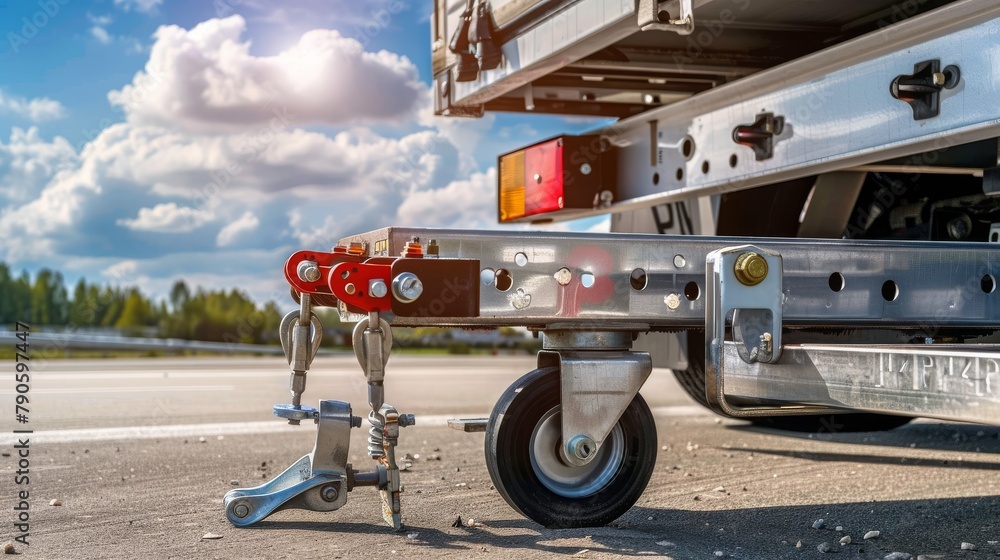
Service your wheel bearings
Wheel bearings may be out of sight, but they shouldn't be out of mind. These components allow your wheels to spin freely and support the weight of your trailer.
Wheel bearing maintenance:
Grease bearings annually or every 12,000 miles, whichever comes first (3)
Listen for unusual noises while driving, which could indicate bearing problems
Check for excessive play in the wheels when the trailer is jacked up
If you're not comfortable greasing bearings yourself, have a professional do it. It's a critical task that, if done incorrectly, can lead to wheel loss.
Check and adjust your brakes
Well-maintained brakes are essential for safe towing; regular maintenance can help prevent accidents and extend the life of your brake components.
Brake maintenance tasks:
Inspect brake pads for wear and replace when necessary
Check brake rotors or drums for scoring or uneven wear
Adjust electric brake controllers as needed
Test the brake function before each trip
Learn how to adjust your trailer's brake controller, too. This skill can help you maintain proper braking performance in various towing conditions.
Protect your frame and body
The frame and body of your trailer provide structure and protection. Keeping them in good condition prevents rust and structural issues.
Frame and body care:
Inspect for rust, especially in areas prone to water accumulation
Touch up paint chips to prevent corrosion
Check and tighten bolts regularly
Look for cracks or damage in the frame or body
After washing your trailer, allow it to dry completely before storing it. This helps prevent rust and mold growth.
Monitor axles and suspension
The axles and suspension system support your trailer's weight and provide a smooth ride. Regular maintenance can prevent premature wear and ensure safe towing.
Axle and suspension maintenance:
Inspect leaf springs and shackles for cracks or damage
Check for bent or damaged components
Ensure proper alignment of axles
Lubricate suspension components as recommended by the manufacturer
If you notice your trailer pulling to one side or bouncing excessively, it may indicate suspension issues. Have it checked by a professional.
Shield your trailer from the elements
Exposure to sun, rain, and other elements can worsen the wear on your trailer. So, taking steps to protect it can extend its life and maintain its appearance.
Protection tips:
Store your trailer under cover when possible
Use appropriate cleaners and protectants on various surfaces
Consider using a trailer cover if outdoor storage is necessary
Address any water leaks promptly to prevent internal damage
When choosing cleaning products, always ensure they're appropriate for your trailer's materials; using the wrong products can cause damage.
Final thoughts
Taking care of your trailer doesn't have to be a hassle. Think of it as giving your trusty travel companion a little TLC. By sticking to these maintenance tips and getting into a routine, you're not just avoiding hefty repair bills-you're also making sure your trailer is ready for adventure whenever you are.
Don't sweat it if you're not a mechanical whiz. There's no shame in calling in the pros when you're not sure about something. At the end of the day, it's all about keeping you and your trailer safe on the road.


