


Introduction
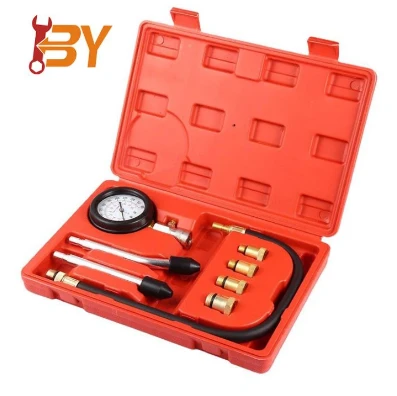
Using an engine cylinder compression tester is one of the best ways to assess the internal condition of an engine without disassembly. When compression readings are low in one or more cylinders, it usually means that combustion pressure is escaping where it shouldn't. This article breaks down the most common causes of low compression, what each cause signifies, and how you can use this information to diagnose engine problems more effectively.
Why Compression Matters
Compression is the process of pressurizing the air (or air-fuel mixture) inside each cylinder so that it ignites properly during combustion. A healthy engine should build comparable pressure across all cylinders. When one or more cylinders show significantly lower compression, performance issues such as rough idling, difficulty starting, loss of power, and increased fuel consumption often follow.
A well-executed compression test will provide a baseline of pressure values, and differences between cylinders can help pinpoint specific problems.
1. Worn or Damaged Piston Rings
Piston rings form a seal between the piston and the cylinder wall. Over time, these rings wear down due to friction, heat, and normal engine operation. When the rings no longer seal properly, combustion gases escape past the piston during compression, resulting in a noticeably lower compression reading.
If a "wet test" (adding a small amount of oil to the cylinder before retesting) increases the compression reading, it often points toward piston ring wear, because the oil temporarily improves the seal.
Worn piston rings are among the most frequent causes of low compression, especially in engines with high mileage or poor maintenance.
2. Leaking or Improperly Seated Valves
The intake and exhaust valves control airflow into and out of the cylinder. If these valves are worn, burnt, incorrectly seated, or contaminated with carbon deposits, they won't seal properly during compression. When valves fail to close completely, air escapes, leading to reduced cylinder pressure.
Low compression isolated to a single cylinder often points toward valve issues rather than a widespread engine problem.
3. Blown Head Gasket
The head gasket seals the joint between the cylinder head and the engine block. A blown or leaking head gasket allows compression to escape past this seal and, in many cases, into adjacent cylinders, coolant passages, or the oil system.
A blown head gasket often produces additional symptoms such as engine overheating, coolant loss, or unusual exhaust smoke. Low compression in two adjacent cylinders can indicate leakage across a breached head gasket between those cylinders.
4. Cylinder Wall Damage or Scoring
The cylinder walls need to be smooth and round so that the piston rings can maintain a tight seal. Over time, improper lubrication, debris, or overheating can cause scoring, scratches, or other damage to the cylinder walls. When this happens, compression escapes past the rings and across the damaged surface, resulting in low readings.
In severe cases, the cylinder wall may be so out-of-round or damaged that even new rings cannot create a proper seal, necessitating cylinder re-bore or engine overhaul.
5. Timing Issues (Belt or Chain)
The camshaft and crankshaft must remain synchronized to ensure that valves open and close at the correct points in the engine cycle. If the timing belt or chain slips, stretches, or breaks, valve timing becomes incorrect. This misalignment can leave valves partially open during the compression stroke, preventing proper sealing and reducing compression across multiple cylinders.
Timing issues often result in low compression across the entire engine, rather than just one or two cylinders.
Additional Contributing Factors
Carbon Buildup
Carbon deposits from incomplete combustion can accumulate on valves and piston crowns, interfering with the sealing surfaces and reducing compression. While not as severe as mechanical damage, carbon buildup can still modestly lower compression and affect performance.
Cracked Cylinder Head or Engine Block
Although less common, cracks in the cylinder head or engine block create leak paths for compression gases. These cracks may occur due to severe overheating or structural stress. Cracks often produce additional symptoms like coolant loss or bubbles in the radiator.
Interpreting Multiple Cylinder Readings
One cylinder low: Likely a localized issue such as a leaking valve, a damaged piston ring, or corrosion in a specific area.
Adjacent cylinders low: Often points to a blown head gasket between those cylinders or localized head warpage.
All cylinders low: Could indicate timing issues, overall wear of rings, or more systemic problems with the engine bottom end.
Conclusion
Low compression readings from an engine cylinder compression tester provide valuable clues about your engine's internal condition. The most common culprits include worn piston rings, leaking valves, head gasket failure, cylinder wall damage, and timing issues. By interpreting compression values correctly - and correlating them with symptoms like rough idle, loss of power, or misfires - you can narrow down the cause and decide on the proper repair path. A more precise diagnosis often involves additional tests such as a wet compression test or a leak-down test to pinpoint the exact area of failure, ensuring that you address the root of the problem rather than just the symptoms.


