


What would you do without a working vehicle? It's one of your most important possessions. And the fuel pressure regulator is arguably among its most important parts. Discover what it is, what is does and how to test it in this quick guide.
What Is a Fuel Pressure Regulator?
If you're unsure about what a fuel pressure regulator is, you're not alone. This important part regulates the pressure as fuel cycles through your vehicle's engine, as explained by Pro Car Mechanics. Every fuel-injected vehicle has one. Fuel injectors are an integral part of the engine and they need a precise amount of pressure while your vehicle's in operation to keep everything running smoothly. The fuel pressure regulator is sort of like the boss of the system, keeping everything working at the precise levels necessary.
How Fuel Pressure Regulators Work
This important part of your vehicle's fuel injector system has a few important parts, including a spring that's attached to a diaphragm and an intake manifold. The intake manifold's located on one side of the spring, providing pressure to the spring according to the fuel pressure level. When fuel pressure is high, so is the manifold pressure. And vice versa when fuel pressure is low. The spring is preset to resist a precise amount of pressure from the diaphragm. The pressure from the diaphragm goes up as the fuel pressure goes up.
The diaphragm adjusts according to the pressure it senses from the fuel pressure regulator, allowing the most accurate flow of fuel. In turn, this can enhance the entire carburetor's fuel efficiency, according to Top Auto Tools.
Signs the Fuel Pressure Regulator Is on Its Way Out
As Pro Car Mechanics notes, there are several telltale signs that may indicate it's time to replace your fuel pressure regulator valve. This includes the following:
Black smoke: White or gray smoke coming out of your vehicle's tailpipe is relatively normal. If you see black smoke coming out, your regulator should be checked as soon as possible.
Stalling: If the engine stalls when you press down on the accelerator, your fuel regulator might be malfunctioning. When it's working properly, there shouldn't be any hesitation from the time you apply pressure to the gas pedal to the time your vehicle starts moving.
Gas leaking from the tailpipe: If the fuel pressure regulator isn't doing its job, gasoline can runoff into the lines of your vehicle. That can lead to gasoline running or dripping out of the tailpipe.
Testing Your Fuel Pressure Regulator
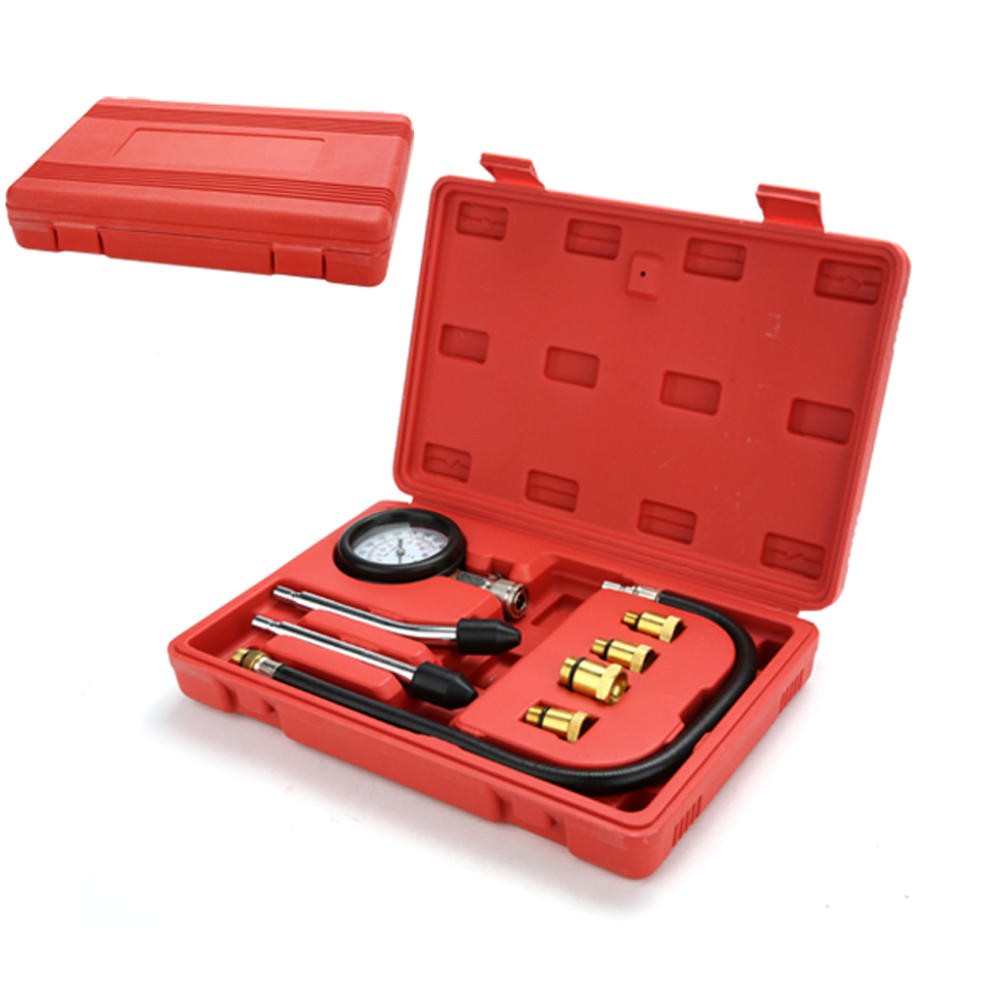
To test the fuel pressure in your vehicle you need a fuel pressure gauge. Top Auto Tools suggests renting one from your local auto parts store if you don't already have one. Then:
1.Connect the gauge to the fuel pressure regulator's testing port.
2.Start the engine.
3.Note the increase in pounds per square inch (PSI).
Interpreting Test Results
Once you start the engine during a fuel pressure regulator test, the pressure should increase by five PSI. If it increases by more than that, your fuel pressure regulator might be faulty. If the pressure goes down, you might have issues with the fuel pump or the fuel filter. Depending on how your vehicle's set up, you might have to replace the entire sending unit or you could just need to replace the fuel pressure regulator itself.


