


Motorcycle brake calipers play a vital role in stopping power and rider safety. They are exposed to heat, dust, water, and vibration, making them prone to wear and malfunction over time. For workshops, distributors, and professional riders, understanding these common problems and their solutions is key to ensuring consistent braking performance.
1. Sticking or Seized Pistons
One of the most frequent issues with motorcycle calipers is piston seizure. When dirt, brake dust, or corrosion builds up around the piston or seal, the piston fails to retract smoothly.
Symptoms:
The wheel drags after braking.
The rotor and pads overheat.
Brake performance feels inconsistent.
Fix:
Remove the caliper and carefully clean the pistons with brake cleaner and a soft brush.
Replace worn or hardened seals.
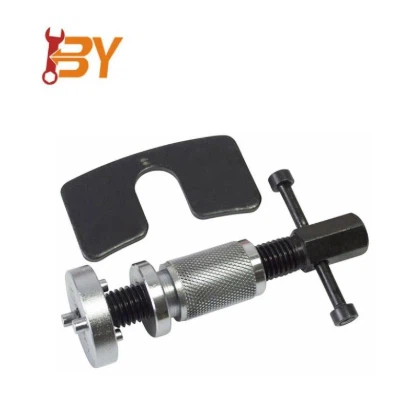
Use a caliper piston compressor tool to push pistons evenly when reassembling.
Regular cleaning every 10,000–15,000 km helps prevent piston seizure, especially in humid or coastal environments.
2. Brake Fluid Leaks
Leaking brake fluid reduces hydraulic pressure and poses a major safety risk.
Causes:
Damaged or aged piston seals.
Scratched pistons or corroded bore surfaces.
Loose banjo bolts or hose connections.
Symptoms:
Brake lever feels spongy.
Visible fluid near the caliper or on the wheel.
Poor braking response.
Fix:
Replace seals or damaged pistons immediately.
Clean all surfaces before reassembly.
Use high-quality DOT fluid and torque connections to manufacturer specifications.
3. Brake Noise and Vibration
Squealing or rattling noises often originate from the caliper assembly rather than the pads.
Causes:
Loose pad clips or worn guide pins.
Lack of lubrication on slide pins.
Caliper misalignment.
Fix:
Clean and lubricate slide pins using high-temperature brake grease.
Ensure pads are seated properly in the caliper bracket.
Tighten mounting bolts to the correct torque.
Proper alignment not only eliminates noise but also extends pad and rotor life.
4. Uneven Braking or Pulling
If one brake caliper applies more pressure than the other, the motorcycle may pull to one side during braking.
Causes:
One piston stuck or frozen.
Corroded guide pins or uneven pad movement.
Bent mounting bracket.
Fix:
Inspect both front and rear calipers for smooth piston movement.
Clean and lubricate guide pins.
If uneven pressure persists, rebuild or replace the faulty caliper.
5. Caliper Corrosion and Damage
Exposure to road salt, moisture, or lack of cleaning can cause corrosion on caliper bodies and pistons.
Symptoms:
Visible rust or pitting.
Sticking pistons and reduced braking force.
Fix:
Disassemble and inspect for corrosion.
Use a wire brush or mild abrasive to remove rust.
Apply anti-corrosion treatment or replace the caliper if structural integrity is compromised.
Preventive Maintenance Tips
To keep motorcycle brake calipers operating smoothly:
Clean calipers every time brake pads are replaced.
Use only non-oily brake cleaners and soft brushes.
Replace dust boots and seals during major services.
Lubricate slide pins and pivot points with silicone-based grease.
Check for leaks and proper piston movement at each service interval.
Baiyu Tools: Professional Support for Brake Maintenance
At Baiyu Tools, we provide workshops and distributors with high-quality tools for servicing motorcycle brake calipers:
Caliper piston compressors and wind-back kits for easy piston retraction.
Brake bleeder tools and hydraulic maintenance kits for professional fluid replacement.
Heavy-duty cleaning brushes and seal replacement tools for precision work.
OEM & ODM customization for global tool distributors and motorcycle brands.
Our focus is on durability, precision, and ease of use-helping mechanics service brake systems efficiently while ensuring maximum safety for riders.
Conclusion
Motorcycle brake calipers demand attention and care. Sticking pistons, fluid leaks, corrosion, and noise are common problems, but all can be prevented with proper cleaning, timely seal replacement, and the right tools.
By using professional brake service tools from Baiyu Tools, workshops and distributors can ensure reliable braking performance, safer rides, and satisfied customers-mile after mile.


